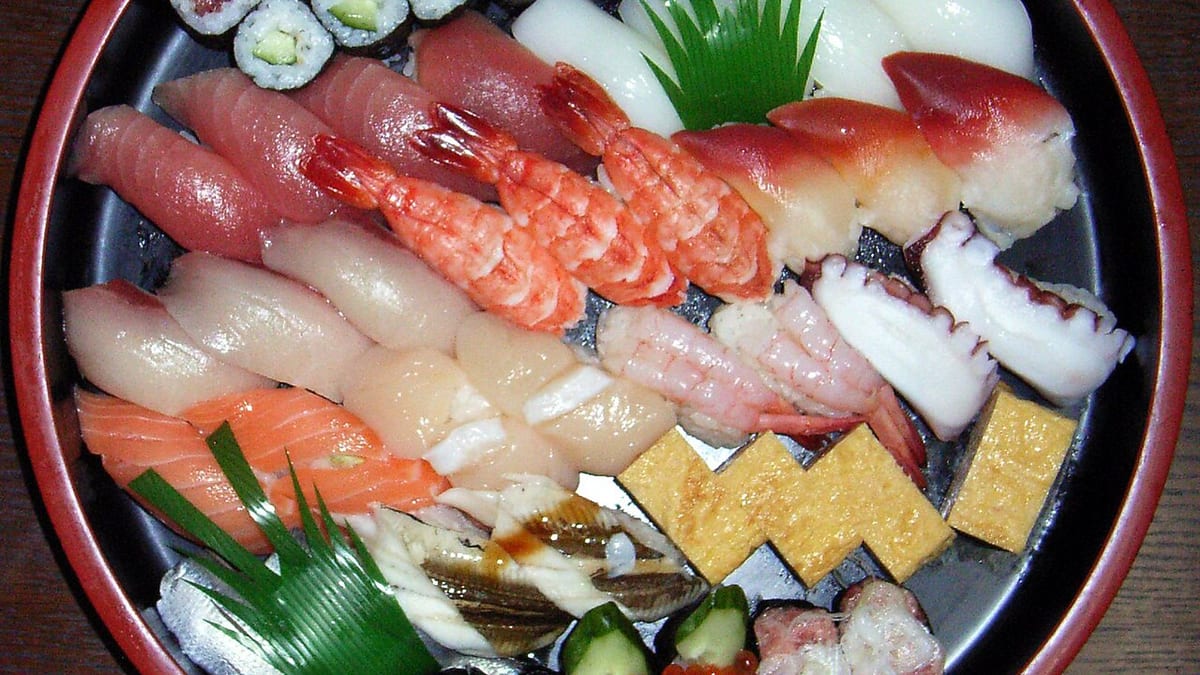
The best sushi in Toronto depends on whether you want an inexpensive takeaway, a flexible restaurant meal or a chef-led evening. Start with J San for downtown takeaway, Sushimoto for clearly priced sets, Miku for aburi-focused dining, and Sushi Masaki Saito for a major omakase splurge. These are different experiences, not interchangeable versions of the same dinner.[1][2][3][4]
Start with the meal format, not the ranking
A useful sushi shortlist should tell you how much control you have over the order. A takeaway box lets you choose a known combination and leave. An à-la-carte restaurant works better when one person wants raw fish and another prefers cooked dishes. Omakase puts the progression in the chef's hands and requires more commitment to the restaurant's ingredients, schedule and policies.
The selections here are based on current published menus, locations and booking information, not on a claim of anonymous tasting or firsthand inspection. "Best" means best matched to the stated use: convenience, a transparent set price, a distinctive menu style or a special-occasion format.
Before comparing prices, decide whether your budget means food alone or the final bill. Drinks, tax, gratuity and additional orders can change the comparison considerably. A restaurant's least expensive roll is also a poor proxy for the cost of a satisfying meal. Compare the combination you would actually order.
J San: a practical downtown takeaway
J San's location at 186 Jarvis Street is explicitly takeaway only. The restaurant also lists a separate North York location at 3365 Steeles Avenue East, so select the correct branch when ordering or navigating.[1]
The Jarvis shop makes sense when you already have somewhere suitable to eat: your hotel, an apartment or a planned picnic location. It is not the right substitute for a restaurant reservation when you need a warm place to sit, table service or an extended evening with friends.
Treat takeaway timing as part of the meal. Collect close to when you intend to eat rather than making the order the first stop in a long sightseeing afternoon. Request the accompaniments you need, and avoid buying a large assortment simply because the box looks like better value. A smaller order eaten promptly can be a better decision than carrying leftovers around the city.
For a mixed group, build the order around what people genuinely eat. Separate cooked and raw preferences before ordering, and ask about sauces and preparation when an allergy or dietary restriction matters. A vegetable roll's name alone does not establish how it is prepared or whether shared equipment is suitable.
Sushimoto: compare complete sets, not isolated pieces
Sushimoto, at 4901 Yonge Street in North York, publishes a Take set of 16 pieces at CA$23.95 and a Matsu set of 27 pieces at CA$36.95.[2] These menu prices provide a more useful budget anchor than a vague claim that a restaurant is "affordable."
The larger set costs CA$13 more for 11 additional pieces. That is a calculated difference, not proof that it is the better meal: the composition matters, and a piece of a small roll is not equivalent to a substantial piece of nigiri. Examine the actual selection before using piece count as a value measure.
Choose the smaller set when it matches your appetite and leaves room for a soup or another dish you particularly want. Consider a larger assortment for sharing only after confirming that the combination suits everyone. Ordering unwanted pieces for a lower average price is not a saving.
The location is also part of the cost. Sushimoto is a more natural choice for someone staying or sightseeing in North York than for a downtown visitor making a special cross-city journey solely to save a few dollars on dinner. Include travel time in your decision rather than comparing menu figures in isolation.
Miku: choose it for aburi, not for bargain sushi
Miku Toronto is at 105–10 Bay Street in WaterPark Place. Its menu emphasizes aburi, or flame-seared sushi, alongside other Japanese dishes and set-menu options.[3][5] It is the useful middle choice when you want a planned restaurant occasion without committing to the tightly controlled format of a small omakase counter.
Order around the style that brought you there. For two diners, that might mean sharing an aburi selection and adding dishes that provide contrast, rather than ordering several similar rolls and discovering that the meal lacks variety. Discuss portions with the server before assuming each named item is intended as an individual main course.
Be careful with menus found through general search. Miku has more than one Canadian location, and a Vancouver menu is not evidence of Toronto prices. An old Toronto PDF is not necessarily the current menu either. The Toronto restaurant's own menu and booking pages are the relevant starting points.[3][5]
Do not assume lunch is offered every day. The reservation page lists a different pattern across the week, including dinner-only weekend entries at the time of checking.[5] For a lower-cost lunch strategy, first establish that the desired service actually exists on your date; otherwise you are comparing a hypothetical lunch with a real dinner booking.
Sushi Masaki Saito: the expensive decision is also a policy decision
Sushi Masaki Saito's published omakase menu is CA$780 per person.[4] Two diners therefore start at CA$1,560 for the advertised menu alone, before any additional charges not included in that figure. This is a special-occasion purchase, not simply a higher-priced alternative to a set lunch.
The restaurant accepts reservations through Tock rather than walk-ins. Its booking page says it cannot accommodate seafood or shellfish allergies, gluten or celiac allergies, or vegan and vegetarian diets. It also warns that the building has multiple staircases and no elevator.[6] These are reasons to rule the experience out early when necessary, not details to discover after paying a deposit.
Cancellation terms are consequential. The published policy requires 48 hours' notice for parties of two to four and describes a CA$400-per-person charge for a late cancellation or reduction in guest numbers. Larger-party wording has additional conditions, so obtain the exact terms for your booking rather than extending the small-party rule to every group.[6]
For a visitor, that makes the night immediately after an uncertain arrival a poor choice. A delayed flight or an unresolved dietary question could turn an anticipated highlight into a costly problem. Book this meal on an evening you can protect, and read the actual reservation terms before confirming.
Which option should you book?
For a straightforward downtown meal without restaurant overhead, choose J San and plan where you will eat. For a priced assortment in North York, begin with Sushimoto's sets. For a social meal with a distinctive seared-sushi focus, investigate Miku's current Toronto menu. For a chef-led occasion, consider Masaki Saito only after the menu price, access and dietary restrictions all work for your party.
There is no need to turn a short Toronto visit into a contest to secure the most expensive counter. The better choice is the one whose format, location and total cost let you enjoy the meal without compromising the rest of the trip.