A Toronto food tour is worth buying when you want explanations, organized tastings and an introduction to a neighborhood - not simply a cheap lunch. St. Lawrence Market and Kensington Market offer different experiences. Choose between them by the food, walking format and dietary arrangements, then compare the final price rather than the advertised number of samples. [1] [2]
Two tours, two different reasons to book
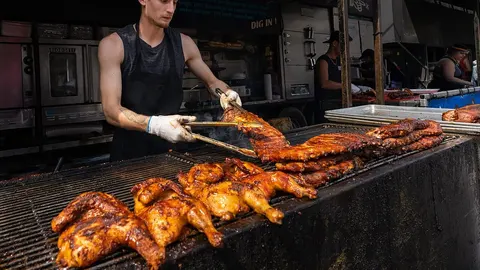
Culinary Adventure Co advertises a St. Lawrence Market tour at CA$99 for adults, lasting two and a half hours, with groups of twelve or fewer. Its listed tastings include a peameal bacon sandwich, smoked salmon, cheeses, charcuterie and pastries. The published schedule is Tuesday through Sunday at 11 a.m. [1]
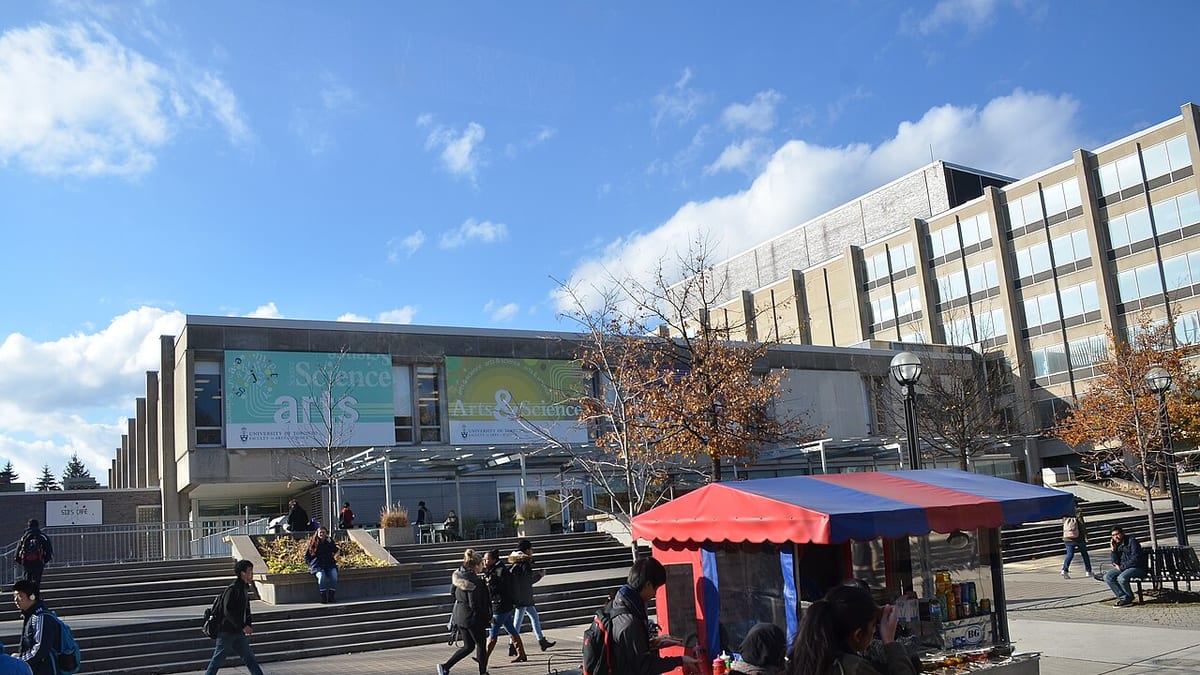
Chopsticks + Forks advertises its Kensington Market International Food Tour at CA$119 per adult, also lasting two and a half hours. It describes about one mile of walking and a route built around foods from several culinary traditions rather than one covered market. [2]
For a couple, those headline prices produce totals of CA$198 and CA$238: a CA$40 difference before any checkout additions. That calculation does not establish which is better value. A traveler interested in market merchants and Canadian food references may prefer the first; someone curious about varied immigrant food traditions may prefer the second.
Do not interpret an operator's awards or superlatives as an independent test of your particular departure. The comparison here concerns published prices, format and suitability. It does not claim that either tour has been personally sampled or that every guide delivers an identical experience.
Dietary needs can settle the choice immediately
Chopsticks + Forks says it can accommodate vegetarian and pescatarian guests on its public tour, but cannot accommodate vegan or gluten-free requirements in that format. It invites inquiries about a private alternative. That is a more consequential booking detail than a small discount or an extra tasting. [2]
Contact the operator before payment and describe the actual restriction. "I do not eat meat" is different from avoiding all animal products; a preference to reduce gluten is different from a requirement to prevent cross-contact. Ask what replaces each unsuitable tasting rather than whether staff will simply omit it.
For the market tour, the advertised selection contains several animal products. Anyone needing substitutions should obtain a specific answer about the adapted route and portions before deciding that the same price represents the same value. The published tasting list alone does not prove suitability for a particular allergy. [1]
A private booking can be worthwhile when several people share a dietary requirement. It may allow a coherent route instead of a standard tour with half its food removed. Conversely, independent eating can be the simpler choice when you already know suitable restaurants and do not need interpretation.
Understand what the price replaces
The fairest comparison is not tour versus sandwich. You are paying for several hours of hosting, a planned route, arranged samples and context. The food has value, but it is only part of the service.
Imagine budgeting CA$35 per person for an independent food outing. That is a hypothetical spending allowance, not a researched average. Against a CA$99 tour, the additional CA$64 would need to be justified by the guide, organization and company. For one traveler that may be worthwhile; for another it may fund a more appealing dinner.
Ask whether the quoted total includes all compulsory fees and taxes. Confirm which drinks are included, whether optional purchases are separate and whether gratuities are discretionary. Compare the actual checkout totals for your party rather than assuming that two headline prices use identical tax treatment.
A high tasting count also needs interpretation. Fifteen tastes can include small portions, condiments or several items served at one stop. It does not necessarily mean fifteen substantial dishes or fifteen different businesses. Judge variety and explanation rather than treating the number as a calorie guarantee.
Plan around the market's real opening pattern
The South Market currently lists Tuesday–Friday opening from 9 a.m. to 7 p.m., Saturday from 7 a.m. to 5 p.m. and Sunday from 10 a.m. to 5 p.m.; it is closed on Mondays. The Saturday farmers' market has a different schedule. Those distinctions matter when extending a tour into a longer visit. [3]
Do not assume a Monday city break can reproduce a Sunday market experience. Similarly, a tour of Kensington is not a substitute for access to the South Market's merchants. They are different places with different purposes, despite sharing the word "market."
Leave time after the guided outing to return to the stall or shop you liked. Buying several bags at the first stop can make the rest of the walk inconvenient, especially when you have another attraction booked immediately afterward.
Book the food experience early enough in your stay to use what you learn. A final-day tour can still be enjoyable, but an earlier one may help you choose later meals and understand neighborhoods you subsequently explore independently.
Comfort is not measured only in walking distance
A mile can sound easy while two and a half hours of standing, queueing and outdoor transitions feel tiring. Ask about seating, toilets, steps and the longest interval without a break. Explain the accommodation you need instead of relying on the broad phrase "easy walking."
For winter departures, dress for the time between food stops, not just the indoor portions. For wet weather, consider how you will carry an umbrella, bags and food. The Kensington operator advertises all-weather operation; that does not mean every guest will enjoy every weather condition equally. [2]
Families should compare child pricing with appetite and patience. A child who enjoys trying unfamiliar food may get more from the outing than an adult who wants only a conventional lunch. Ask whether children receive equivalent tastings and whether the route has practical breaks.
A good independent alternative
Choose one neighborhood and make three purposeful stops: a savory meal, a smaller item you would not normally order and a sweet finish. Set a total spending limit and leave room for an unexpected discovery. This is a proposed method, not a fixed commercial itinerary.
At St. Lawrence Market, browse first and order after you understand the choices. In Kensington, allow enough time to look at menus rather than treating every storefront as a compulsory stop. Buy modest portions and share only when doing so suits everyone's diet.
Independent exploration is best for travelers who enjoy choosing, dislike a group pace or need flexibility. A guided tour is better when interpretation and conversation are the main attraction. Neither approach is automatically more authentic: the useful test is whether it gives you the kind of meal and understanding you actually want.