Mackenzie House is worth a stop for visitors interested in Toronto history and printing, but the current visit needs a clear qualification: the historic house is under restoration, while drop-in printshop workshops continue. Go for the activity and interpretation presently offered, not with the expectation of an unrestricted tour through a furnished nineteenth-century home. [1]
The restoration changes what you should expect
The City's current notice separates the historic house from the printshop programme. That is more useful than a generic attraction description promising period rooms, artifacts and a complete domestic-history tour. Restoration does not mean the entire site has disappeared from the itinerary, but it changes the reason to visit. [1]
Before allocating a long block of time, decide what you are hoping to see. Someone fascinated by printing may still find the available programme highly relevant. Someone whose main interest is furnished bedrooms, household layouts or architectural interiors should choose a different house museum until the desired spaces are confirmed open.
The site includes an older row house and a later addition containing gallery, reception and recreated printshop space. Understanding that arrangement explains how programming can continue while part of the historic property is unavailable. It also prevents the misleading assumption that a restoration notice and a workshop listing must contradict each other. [2]
Do not judge the visit by the number of rooms available. A focused activity with a knowledgeable interpreter can be more rewarding than a longer self-guided circuit. The question is whether that focus matches your interests, not whether the building is currently delivering its maximum possible floor area.
Why the printing connection matters
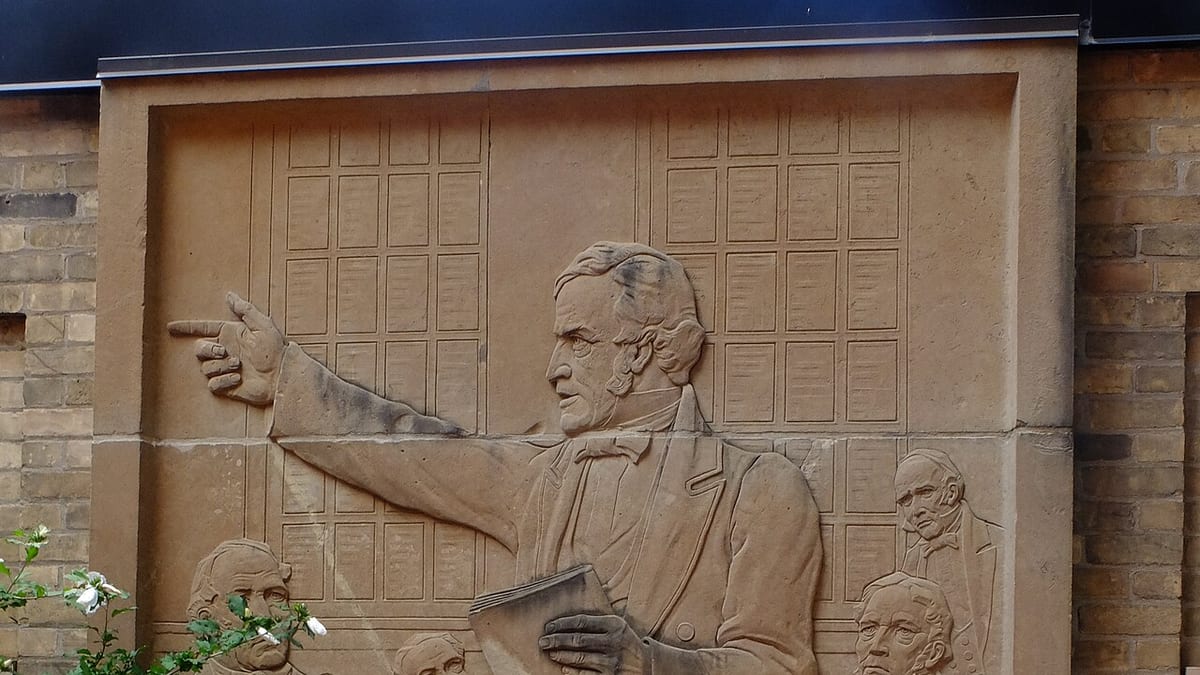
William Lyon Mackenzie was Toronto's first mayor, a journalist and a leader of the 1837 Rebellion. The City's interpretation treats him as a contested historical figure rather than a simple hero, inviting questions about reform, rebellion and political authority. [1]
A printshop is an effective place to think about those questions. Consider the work between forming an opinion and distributing it: selecting words, preparing type, producing pages and getting them into readers' hands. Even without a long lecture, the physical process can make political communication feel less abstract.
The site identifies an 1845 printing press among its historical features. A workshop can offer a useful starting point for asking how a press operated, how individual letters were arranged and how the finished page related to newspapers and public debate. Ask what participation is available that day rather than assuming every visitor will operate every piece of equipment. [1]
For a family, this is a better introduction than beginning with a lengthy biography. Start with a concrete question - how would you make many copies of a message without a printer? - then connect the machinery to the political story. For adults, the same question opens a discussion about who could publish, who could read and whose views circulated.
These are suggested ways to engage with the interpretation, not claims about a fixed workshop syllabus. The museum's current programme should determine the actual activity.
Free admission does not mean every programme is identical
General admission is free. The City notes that particular events and exhibitions may carry a separate charge, and organised groups have their own booking arrangements. A free-entry headline therefore should not be interpreted as a promise that every activity, every day and every group size is covered. [1]
For an independent visit, the published opening pattern is Wednesday to Sunday, 11:00–17:00. Workshop availability within that window is the detail to resolve when it is your main reason for going. A building's opening hours and the start of a particular demonstration are not necessarily the same thing. [1]
Make the call or consult the City programme close enough to your visit that you are asking about the actual day. Ask one useful question: what can an ordinary drop-in visitor do during the period you expect to arrive? That produces a clearer answer than asking whether the museum is simply "open."
A small attraction is particularly vulnerable to an itinerary built on the wrong assumption. Arriving just after an activity ends can leave little to replace it, whereas knowing the available session allows you to organise lunch or another downtown stop around it.
How much time to give it
I would protect roughly an hour as an initial planning allowance, then adjust to the confirmed activity. This is not a measured average visit time. It is enough space to avoid rushing a demonstration while recognising that the current visit is not a large, all-day museum experience.
Do not buy an unnecessary cross-city transfer merely to fill a gap in your itinerary. Mackenzie House is at 82 Bond Street in the downtown core, and its strongest practical use is as a focused stop within a day already spent nearby. [1]
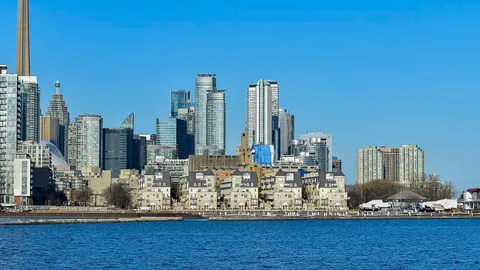
The exterior is also worth looking at in relation to its surroundings. The tourism-board description emphasises the contrast between the surviving row house and the much larger modern city around it. Pause outside long enough to notice that contrast before moving into the programme. [2]
A useful sequence is to arrive with a little time for the exterior, take part in the available printshop activity and leave a few minutes for questions. That is more satisfying than trying to rush through in ten minutes simply because admission is free.
Who should choose an alternative
The City describes the site as partially accessible and provides a contact number for specific requirements. Ask about the route to the current printshop, standing or seated participation and accessible toilets rather than assuming a restoration-era arrangement matches an older accessibility description. [1]
Visitors seeking a fuller historic-house experience can consider Spadina Museum, another City-operated site, while checking its actual tour arrangements. The comparison is about the type of visit: a domestic interior and household story versus Mackenzie House's presently available printing focus. [3]
Someone with no interest in political history, printing or small museums should not feel obliged to include Mackenzie House because it costs nothing. Free time is still limited time. The most useful recommendation is conditional: visit when the available activity interests you and fits your route; postpone when the closed historic rooms are the main attraction.
Seen that way, restoration is not just a warning at the bottom of the page. It is the fact that should determine the plan. Choose the printshop on its own merits, bring a question that connects the process to the city's history, and expect a concentrated encounter rather than a complete house tour.