The Aga Khan Museum is worth visiting for art, architecture and a quieter, focused museum experience - not because it is another attraction beside Toronto's downtown sights. Its strongest appeal is the chance to explore artistic traditions connected with Muslim civilizations. Allow room in your itinerary for the journey, and do not build the visit around lunch at Diwan: the restaurant is temporarily closed. [1] [2]
What makes the collection different
The museum's collection encompasses manuscripts, paintings, ceramics, textiles and other objects associated with Muslim societies and their diasporas. Its geographical reach extends beyond one country or language, and its historical range connects older works with contemporary perspectives. This is not simply a museum about religious practice, nor a survey of a single national style. [1]
A useful way to approach the galleries is to choose a question rather than attempt to absorb every label. Look at how writing becomes a visual art, how objects move between places, or how everyday materials can carry political, cultural and personal meaning. Following one thread makes a smaller collection feel more coherent than a hurried circuit of everything on display.
The museum is a particularly good choice for visitors who enjoy close looking. A manuscript page or ceramic object rewards attention differently from a monumental dinosaur skeleton or an enormous immersive installation. That difference is a reason to choose it, not a shortcoming that needs to be disguised.
Conversely, visitors seeking a broad, high-energy family attraction may prefer a museum with a wider mixture of subjects. Younger children can still enjoy a short, selective visit, but the adult plan should leave space for breaks rather than assume sustained attention to every gallery.
The building is part of the visit
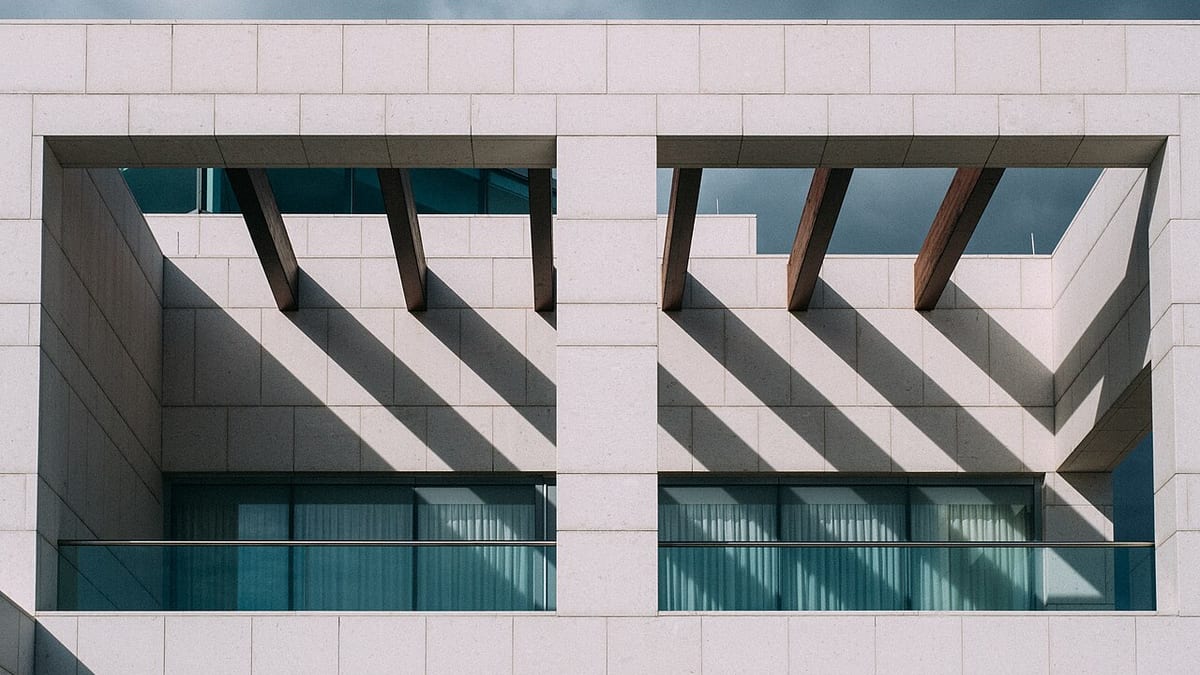
Architect Fumihiko Maki designed the museum, with light playing an important role in the building. The surrounding park connects the museum setting with the separate Ismaili Centre. These are related parts of the site, not interchangeable names for the same attraction. [3]
Spend a little time looking back at the building as you approach, then notice how the atmosphere changes inside. This creates an architectural experience without needing a specialist tour. A grey day can still make an interesting visit; exterior photographs should not be the only reason you came.
The park also gives companions with different interests a way to balance the outing. One person can focus on the galleries while another prefers a shorter museum visit followed by time outside. Agree on the meeting point and timing beforehand rather than treating the whole group as if it has identical interests.
If your real aim is to visit the Ismaili Centre, investigate its own access arrangements. Museum admission should not be interpreted as an automatic tour of every neighbouring building. The distinction matters when planning a tightly scheduled afternoon. [3]
Admission is more generous than older price summaries suggest
The museum currently lists general admission at CA$20 for adults, CA$15 for seniors aged 65 and over, and CA$12 for students. Crucially, visitors aged 25 and under qualify for free admission. Wednesday admission is also free from 4 p.m. to 8 p.m. under the BMO-supported programme. [4]
For two adults who do not qualify for a concession, ordinary admission therefore totals CA$40. With an eligible younger companion, do not automatically add a student ticket simply because that person is studying: the age-based free category may already apply. Bring the identification required to establish eligibility.
Wednesday evening can be the economical choice, but it is not automatically the best choice for every itinerary. An earlier daytime visit may fit your transport, energy level or other plans better. Saving on admission is useful only when the resulting journey still works.
The museum distinguishes free public spaces from ticketed gallery access. Seeing the atrium, courtyard, Bellerive Room or shop does not necessarily mean that all exhibition spaces are free at that time. Decide whether you want an architectural stop or a full gallery visit before comparing costs. [4]
Getting there has changed
The museum's current directions include Line 5 and the Aga Khan Park & Museum stop. TTC's operating Line 5 route connects with Line 1 at Cedarvale and Eglinton and with Line 2 at Kennedy. Advice describing the line solely as a future project is no longer a reliable basis for this journey. [5] [6]
Choose the connection that fits where you are staying, rather than automatically travelling through Union Station. The last part is a walk from the stop to the museum entrance, so consider weather, luggage and mobility needs when deciding between transit and a door-to-door ride.
Treat the museum as the principal activity in this part of your day. My planning recommendation is to leave an unhurried block for travel, galleries and a break, rather than trying to squeeze it between two downtown timed admissions. That is an itinerary recommendation, not a measured average visit length.
Driving can be convenient for a group already exploring outside downtown. The museum publishes a daily parking charge of CA$10, with a separate short-stay option. Compare that additional cost with transit fares for your particular party rather than judging the car on fuel alone. [5]
Plan food and accessibility separately
Diwan's official page currently reports a temporary closure during a change in the restaurant operation. No reopening date was verified for this guide. Older recommendations to reserve a long restaurant lunch should therefore not be treated as an available part of your visit. [2]
Eat beforehand or arrange a meal elsewhere afterwards. A short gallery break and a substantial restaurant meal are different requirements; ask the museum about the food service available on your chosen day if that distinction matters to your group.
The museum provides accessibility information covering mobility aids and facilities. Its courtyard may require staff assistance for access, so a general description of the building as accessible should not replace a specific question about the spaces you want to visit. [7]
Describe the practical need: step-free arrival, a wheelchair, a place to sit, or assistance reaching a particular area. This is more useful than asking whether the entire outing is "easy." For someone sensitive to fatigue, combining transit connections, outdoor walking and sustained standing may determine the plan more than the ticket price.
Who should make room for it?
Choose the Aga Khan Museum when art, design and cultural connections are central to your interests. It is also a good alternative to assembling a trip exclusively around Toronto's most photographed downtown attractions.
Skip it on a very short visit when the travel would displace something you value more, or when your group wants a completely different kind of museum. A worthwhile attraction does not have to be compulsory. The best visit is one you have chosen for its collection and setting, with realistic time to appreciate both.